Elevate Your Everyday: The Magic of Homemade Chicken Seasoning
Chicken is a beloved protein, gracing dinner tables worldwide in countless forms. From weeknight staples to celebratory roasts, its versatility is unmatched. Yet, the secret to transforming a good chicken dish into an unforgettable one often lies in a single, powerful element: the perfect chicken seasoning. While store shelves are stocked with pre-made blends, crafting your own homemade chicken seasoning offers unparalleled benefits, giving you complete control over flavor, heat, and health. Imagine a dry mix of herbs and spices so meticulously balanced, it delivers just the right amount of zest and flavor to make your guests clamor for the recipe. This isn't a culinary pipe dream; it's the reality of a well-executed homemade blend. Don't be intimidated by what might seem like a long list of ingredients – chances are, most of these flavor powerhouses are already nestled in your spice rack. Beyond its primary purpose, this versatile blend can even lend a unique character to other dishes, like a hearty chili, without overwhelming it with heat.Why Homemade Chicken Seasoning Reigns Supreme
In an age of convenience, why bother making your own spice blends? The answer lies in control, freshness, and the sheer joy of creating something perfectly tailored to your palate.Unmatched Control Over Ingredients
One of the biggest advantages of a homemade chicken seasoning is the ability to dictate exactly what goes into your food. This is particularly crucial for:
- Salt Content: Many commercial blends are loaded with sodium. By making your own, you can significantly reduce the salt or adjust it to your precise dietary needs and preferences. This allows the natural flavors of the chicken and spices to shine through.
- Sugar Levels: While brown sugar adds a delightful caramelization and touch of sweetness, some prefer a sugar-free rub. You have the power to omit it entirely or experiment with alternatives like coconut sugar.
- Heat Factor: Whether you love a fiery kick or a subtle warmth, you control the cayenne pepper. No more guessing games with pre-packaged blends that might be too mild or too spicy.
- Avoiding Additives: Many store-bought seasonings contain anti-caking agents, artificial flavors, or fillers. Your homemade blend is pure, unadulterated flavor.
Superior Freshness and Flavor
Spices, like all ingredients, lose potency over time. When you mix your own chicken seasoning, you're likely using fresher, more vibrant spices straight from your cupboard. This translates to a more aromatic and impactful flavor profile for your chicken. A simple blend mixed just minutes before cooking will always outperform a generic one that's been sitting on a shelf for months.
Customization for Every Palate
Have a family member who dislikes garlic? Love an extra smoky note? Homemade blends allow for endless customization. You can tweak the ratios, add unique herbs like rosemary or thyme, or introduce global influences like a hint of cumin for a Tex-Mex twist. This personal touch ensures your chicken dishes are always a hit. This level of customization is what truly allows you to Master Any Chicken: The Versatile Seasoning Blend for Every Cook.
The Anatomy of a Perfect Chicken Seasoning Blend
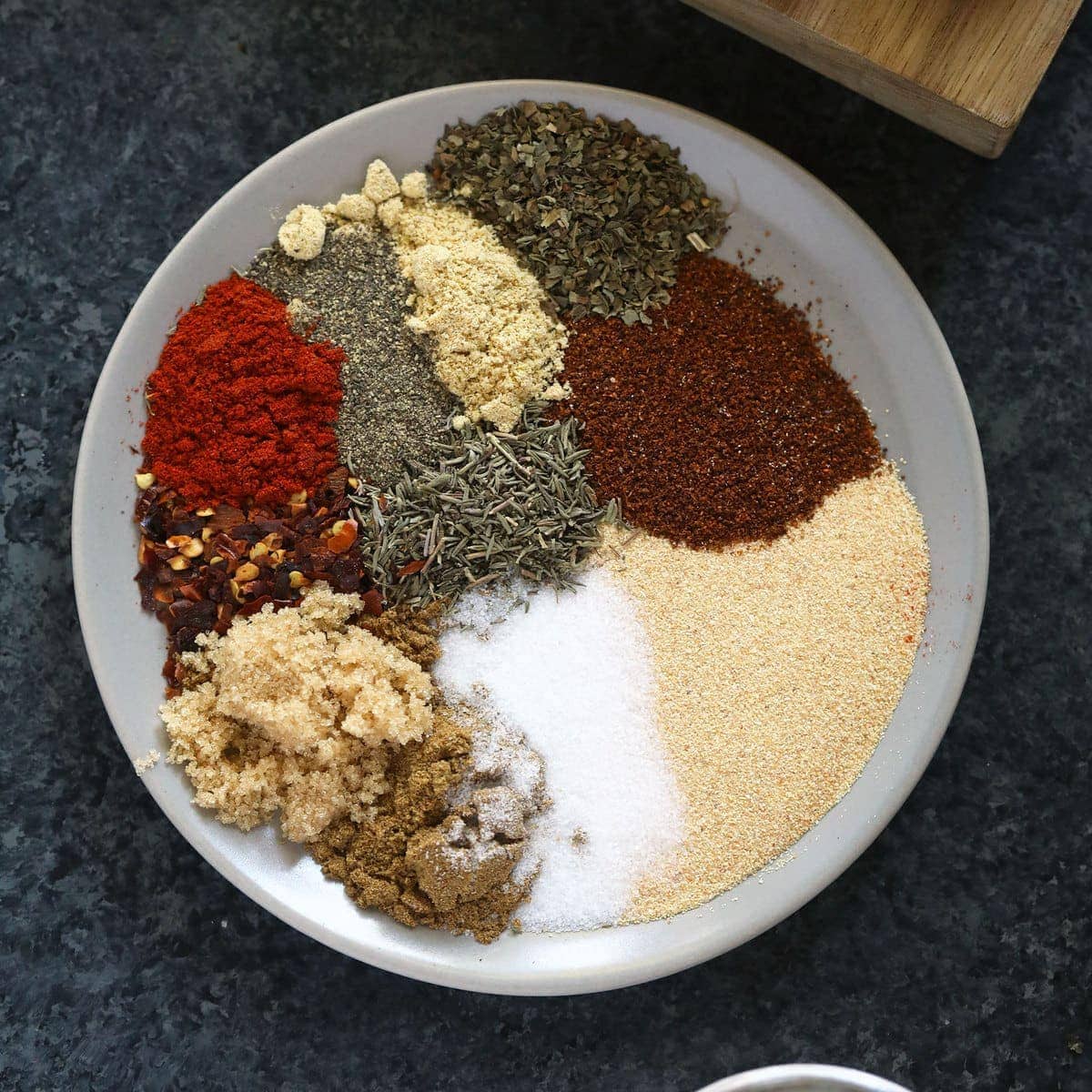
A truly exceptional chicken seasoning is a symphony of flavors, balancing sweet, savory, aromatic, and spicy notes. Here's a breakdown of the key players and their roles:
Sweetness for Caramelization and Depth
- Brown Sugar: This is a secret weapon for achieving that coveted golden-brown, crispy skin and a juicy interior. The sugar caramelizes beautifully under heat, creating a rich, slightly sweet crust that locks in moisture and enhances overall flavor. You can opt for light or dark brown sugar; dark will lend a deeper molasses note. If you're conscious of sugar intake, feel free to reduce the amount or omit it entirely.
The Aromatic Foundation
- Garlic Powder & Onion Powder: These two are the unsung heroes of nearly any savory blend. They provide a foundational layer of aromatic flavor that complements chicken perfectly without the moisture or potential burning issues of fresh garlic or onion in a dry rub.
Color, Earthiness, and Smoky Notes
- Paprika: A must-have for vibrant color and flavor. You have options here:
- Sweet Paprika: Offers a mild, fruity flavor and beautiful red hue.
- Smoked Paprika: Infuses a wonderful smoky depth, perfect for grilling or roasting. This can mimic the flavor of a smoker without needing the equipment.
- Hot Paprika: For those who prefer a bit more heat along with the classic paprika flavor.
Herbal Undertones
- Dried Oregano: Its robust, slightly peppery, and earthy flavor is a natural fit for chicken. For a variation, you could substitute it with Italian seasoning, which often includes oregano along with other complementary herbs like basil, thyme, and rosemary.
The Essential Seasonings
- Salt: Crucial for enhancing all other flavors. I often recommend starting with a slightly lower amount and allowing individuals to add more to their cooked dish. Fine sea salt or kosher salt are excellent choices.
- Black Pepper: Freshly ground black pepper is non-negotiable for the best flavor. Its pungent, woody notes add a subtle kick and complexity that pre-ground pepper simply can't match.
A Touch of Heat
- Cayenne Pepper: This is where you control the "zing." Even a small amount adds a lovely warmth without making the chicken overtly spicy. Adjust to your family's preference – a little goes a long way!
Optional Flavor Boosters
- Chili Powder: Adding two teaspoons of chili powder can introduce a fantastic Tex-Mex flair to your blend, deepening its savory profile.
- Cumin: Another great addition for an earthy, slightly smoky, and warm note, especially if you're aiming for a more Southwest-inspired dish.
- Dried Thyme or Rosemary: These herbs pair exceptionally well with chicken, offering distinct aromatic qualities.
Crafting Your Blend: Simple Steps for Maximum Flavor
Making your chicken seasoning is incredibly straightforward. The real magic happens in the application and preparation.
Mixing Your Masterpiece
Simply combine all your chosen ingredients in a small bowl. Whisk them together thoroughly to ensure an even distribution of spices. Store your homemade blend in an airtight container – a glass jar with a tight-fitting lid is ideal – in a cool, dark place. It will remain fresh and potent for several months, though for optimal flavor, try to use it within 1-3 months.
How to Season Chicken for Optimal Results
- Pat It Dry: This is a critical step often overlooked. Use paper towels to thoroughly pat your chicken dry. Removing excess moisture is key to achieving crispy skin and allows the seasoning to adhere better, creating a delicious crust.
- Bind with Olive Oil: Rub a small amount of olive oil (or another neutral oil like avocado oil) over the chicken. This acts as a binder, helping the chicken seasoning stick to the meat and distribute evenly. It also aids in heat transfer, contributing to a better sear or crisp.
- Generously Apply: A good rule of thumb is to use about 1 tablespoon of your seasoning mix per pound of chicken. However, this can vary. For smaller cuts like wings or tenders, you might need a bit more, as there's more surface area per pound. Don't be shy – cover all sides evenly!
- Marinate for Maximum Flavor: While you can cook the chicken immediately, letting it marinate in the dry rub significantly deepens the flavor. Aim for at least one hour, or for truly succulent and flavorful chicken, refrigerate it for 4-12 hours. The longer the seasoning has to penetrate, the more robust the taste will be. For more insights on achieving juicy chicken, explore resources like Unlock Juicy Chicken: The Best Dry Rub for Grilling & Roasting.
Versatility Across Cooking Methods
This homemade chicken seasoning is incredibly versatile and shines with nearly any cooking method:
- Baked Chicken: Creates a beautifully golden and tender chicken breast or thigh.
- Grilled Chicken: The blend’s caramelizing sugars and spices create a fantastic char and smoky flavor on the grill.
- Air Fryer Chicken: Achieve incredibly crispy skin and juicy meat with minimal oil.
- Slow Cooker or Instant Pot: Infuses flavor deeply into the chicken as it cooks slowly, making it perfect for shredding for tacos, sandwiches, or salads.
- Roasting a Whole Chicken: Rub it all over a whole bird for an incredibly flavorful and impressive centerpiece.
Beyond the Bird: More Uses for Your Versatile Blend
While designed for chicken, the balanced profile of this homemade seasoning makes it incredibly versatile. Don't limit its potential to poultry alone!
- Chili: As the reference context notes, it gives chili a great flavor without adding too much heat, especially if you dial back the cayenne.
- Pork: Excellent on pork chops, tenderloins, or even slow-cooked pulled pork.
- Vegetables: Toss roasted potatoes, sweet potatoes, broccoli, or cauliflower with a dash of olive oil and this seasoning before roasting for an instant flavor upgrade.
- Soups and Stews: Stir a teaspoon or two into your favorite broth-based dishes for added depth.
- Dips: Mix a pinch into sour cream or Greek yogurt for a quick, flavorful veggie dip.
Conclusion: Your Kitchen's New Secret Weapon
Creating your own homemade chicken seasoning is more than just a recipe; it's an investment in better, more flavorful home cooking. It empowers you to control ingredients, customize flavors, and unlock the full potential of your chicken dishes, no matter how you prepare them. With simple ingredients and a few minutes of your time, you'll have a versatile, delicious blend ready to transform your everyday meals into culinary delights. So, gather your spices, get blending, and prepare to impress your taste buds with maximum flavor, made simple.
